

Commercial laundry operations — whether in a large hotel, a hospital linen service, a contract laundry facility, or an industrial uniform cleaning operation — place demands on cleaning chemistry that household detergent products are simply not designed to meet. The volumes are different, the soiling is different, the equipment is different, and the performance standards — driven by hygiene regulations, brand standards, and operational economics — are significantly more demanding than anything a domestic washing machine cycle requires. Selecting the right detergent for a commercial or industrial laundry operation is not a minor procurement decision. It affects cleaning performance, linen longevity, equipment maintenance, staff safety, water and energy consumption, and ultimately the cost per kilogram of processed linen — a metric that professional laundry managers track closely.
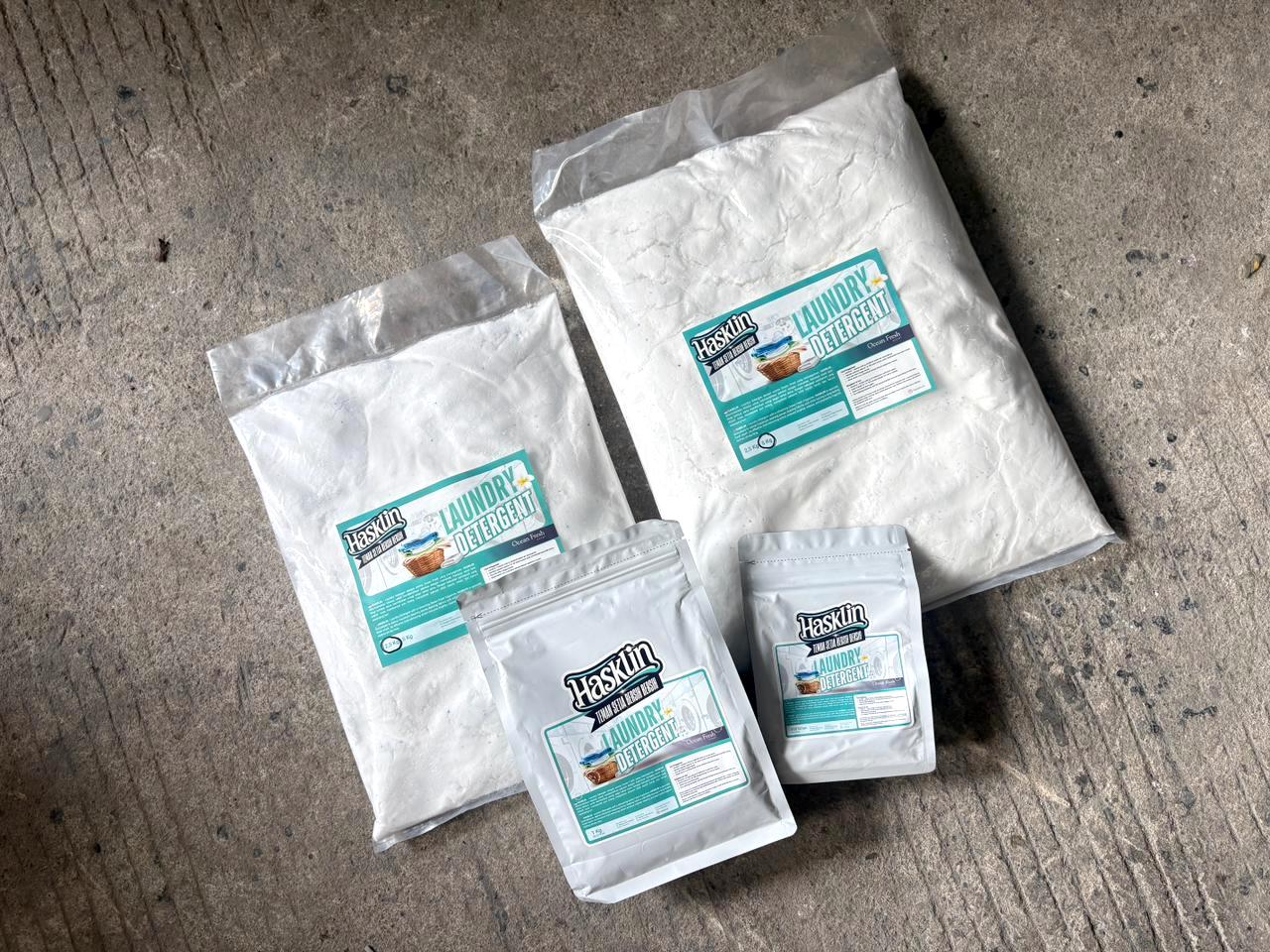
HASKLIN Laundry Detergent, developed and supplied by Hasgara International, is formulated specifically for these commercial and industrial applications — delivering the cleaning power, formula stability, operational versatility, and supply consistency that professional laundry operations require. This article explains the specific challenges that hotels, hospitals, and commercial laundries face, and how HASKLIN’s formulation addresses them.
The Cleaning Challenges of Hotels, Hospitals, and Commercial Laundry Operations
The soiling profile of commercial laundry is considerably more demanding than domestic laundry, and it varies significantly between sectors in ways that matter for detergent selection and dosing.
In the hotel sector, the primary challenge is volume combined with the expectation of consistent, presentation-quality results across every item processed. Hotel linens — bed sheets, pillowcases, duvet covers, towels, tablecloths, napkins, and uniforms — are processed in large batch volumes, often in continuous-tunnel washers or large-capacity commercial front-loaders running multiple cycles per day. The soiling encountered includes body oils and perspiration, food and beverage stains, cosmetic residues, and in some properties, soiling from outdoor and recreational activities. The presentation standard required — particularly for bed linen, table linen, and guest-facing uniforms — demands not just stain removal but whiteness maintenance, fabric softness, and the absence of detergent residue that could cause skin sensitivity in guests. Repeated processing of the same linen items through aggressive cleaning cycles also creates progressive fabric stress, making detergent formulation chemistry relevant not just to cleaning performance but to the cost of linen replacement.
In the hospital and healthcare sector, the challenges are different in character and higher in regulatory stakes. Healthcare linen — patient gowns, bed sheets, surgical drapes, staff uniforms, and towels — is classified as potentially infectious textile waste and must be processed to hygiene standards that go beyond visual cleanliness. Effective removal of biological soiling — blood, bodily fluids, wound exudate, and pharmaceutical residues — requires detergent formulations with robust surfactant systems capable of breaking down complex organic soiling, combined with processing temperatures and, where required, disinfection chemistry that meets the relevant healthcare laundry standards in the operating country. The safety profile of the detergent and any residues it leaves in processed linen is a direct patient safety consideration — laundry chemicals that cause skin sensitisation or leave irritant residues on linen are a clinical risk, not merely a quality issue.
Commercial and industrial laundry facilities — processing garments, workwear, and textiles for hospitality, food manufacturing, automotive, and other industrial clients — face the most varied soiling profile of all. Industrial workwear may carry heavy grease, oil, carbon black, food processing residues, chemical contamination, and fine particulate soiling, depending on the client industry. Effective cleaning of this soiling requires detergent formulations with strong degreasing capability, good suspension of particulate soil in the wash liquor, and the ability to perform consistently across the varying textile types — from cotton and polycotton workwear to synthetic uniform fabrics and technical textiles — that a commercial laundry facility processes for its customers.
How HASKLIN’s Concentrated Formula Delivers Performance Across Operating Conditions
HASKLIN Laundry Detergent is formulated as a concentrated product — a design choice that has practical implications for both cleaning performance and operational economics that are worth understanding in detail.
Concentration means that a smaller volume of product delivers the same active ingredient load as a larger volume of a standard-concentration formulation. In a commercial laundry context, this translates directly to lower dosing volumes per wash cycle, reduced storage space requirements for chemical inventory, lower packaging waste per unit of cleaned linen, and — because detergent is typically one of the significant variable costs in a laundry operation — a lower cost per kilogram of processed linen when calculated on an active ingredient basis rather than a raw product price-per-litre comparison.
The performance of any laundry detergent across varying water conditions is a critical operational consideration that is often underweighted in procurement decisions. Water hardness — the concentration of dissolved calcium and magnesium ions in the water supply — varies significantly between locations and has a direct impact on detergent cleaning performance. In hard water, calcium and magnesium ions react with anionic surfactants in conventional detergents, forming insoluble calcium and magnesium soaps that precipitate out of the wash liquor and deposit on fabric — causing greyness, reduced softness, and detergent residue buildup in the machine drum and heating elements. HASKLIN’s formulation is developed to maintain effective cleaning performance across a range of water hardness conditions, incorporating builder chemistry that sequesters calcium and magnesium ions before they can interfere with the surfactant system — protecting both cleaning performance and machine condition.
Cold water performance is increasingly relevant to commercial laundry operators managing energy costs. Heating wash water is the single largest energy cost in a commercial laundry operation, and operators under pressure to reduce utility costs are progressively lowering wash temperatures for non-critical linen categories. A detergent formulation that maintains effective soil removal and stain action at lower temperatures allows operators to capture energy savings without sacrificing processing standards. HASKLIN’s surfactant system is selected for effective performance across the temperature range encountered in commercial laundry — from cold or warm wash programmes for delicate and lightly soiled items to high-temperature cycles for heavily soiled healthcare and food industry linen.
Fabric safety across the range of textile types processed in a commercial laundry environment is a formulation requirement that directly affects linen replacement costs. Aggressive detergent formulations — particularly those with high alkalinity or poorly selected enzyme systems — can cause progressive fabric degradation: fibre weakening, colour fading, loss of fabric handle, and elastic deterioration in textile blends containing elastane. HASKLIN’s balanced formulation is designed for compatibility with the full range of fabrics commonly processed in commercial laundry — cotton, polycotton, polyester, nylon, and blended technical textiles — protecting linen investment and extending the usable life of each item in the linen stock.

Safety Profile, Procurement Advantages, and Sourcing HASKLIN at Scale
In commercial and industrial laundry environments, the safety profile of the cleaning chemistry in use is a workplace consideration governed by occupational health and safety regulations that require chemical hazard assessment, staff training, and appropriate handling and storage protocols. Detergents and laundry chemicals that pose skin sensitisation risks, require specialised personal protective equipment, or produce hazardous vapours during dispensing represent an ongoing compliance management overhead for laundry operators — and a liability exposure if incidents occur.
HASKLIN is formulated with safety in the work environment as a design parameter, not an afterthought. The product’s safety profile is engineered to minimise occupational exposure risks for staff handling and dispensing the detergent in day-to-day operations, while maintaining the cleaning performance required for commercial applications. This means that routine handling under standard commercial laundry operating procedures does not require specialised protective equipment beyond standard chemical handling precautions — reducing the training burden and the day-to-day compliance overhead for laundry supervisors and staff.
For procurement managers evaluating cleaning chemical suppliers, product safety documentation is a non-negotiable component of the supply package. HASKLIN is supplied with complete safety data sheets (SDS) in compliance with GHS (Globally Harmonized System) classification requirements, providing the hazard identification, handling, storage, and emergency response information that procurement teams require for their chemical risk registers and that regulatory compliance requires for all hazardous substances used in the workplace.
From a procurement standpoint, the consistency and reliability of HASKLIN supply is as important as the product formulation itself. A commercial laundry operation running continuous production across multiple shifts cannot accommodate unpredictable supply interruptions or batch-to-batch formula variation that requires dosing recalibration. HASKLIN is manufactured under strict quality control standards that ensure batch-to-batch consistency in active ingredient concentration, pH, viscosity, and performance — providing procurement teams and laundry operations managers with the supply reliability they need to maintain consistent processing standards.
Hasgara International supplies HASKLIN to hotels, hospitals, commercial laundry facilities, and industrial cleaning operations, offering flexible supply formats suited to large-volume procurement. Whether you are sourcing for a single large property, a hotel group’s centralised linen operation, or a contract laundry serving multiple clients, Hasgara provides the product quality, documentation standards, and supply reliability that professional procurement requires.
To learn more about HASKLIN Laundry Detergent specifications, formats, and procurement options, visit the product page below.