

There are few ingredients in the global fragrance industry with the history, commercial significance, and technical complexity of patchouli oil. Derived from the leaves of Pogostemon cablin — a tropical herb in the mint family native to Southeast Asia — patchouli oil has been traded internationally since the nineteenth century, when it was used to protect stored textiles during shipping along the spice routes from Asia to Europe. Today it is one of the most widely used essential oils in the world, appearing as a base note in an estimated 30–40% of all prestige perfumes and in a vast range of cosmetic, skincare, and aromatherapy products.
At the centre of the global patchouli oil market sits Indonesia — and specifically the province of Aceh on the northern tip of Sumatra — which produces the majority of the world’s patchouli oil supply and sets the quality benchmark against which patchouli from all other origins is measured. Understanding why Indonesian patchouli oil commands its position at the top of the market, what makes it technically and aromatically superior, and how it is used across industries is essential knowledge for any fragrance house, cosmetic formulator, or essential oil buyer sourcing this ingredient at a professional level.
Indonesia’s Dominance in Global Patchouli Production and What Makes It Unique
Indonesia accounts for an estimated 80–90% of global patchouli oil production, with the majority of that output originating in Aceh province, and secondary producing regions in West Sumatra and Sulawesi. This concentration of production in a single country and, to a significant degree, a single region is unusual even by the standards of essential oil commodities — and it reflects a combination of agronomic, climatic, and traditional cultivation factors that have proven difficult to replicate elsewhere.
The Pogostemon cablin plant — the species that produces commercially significant patchouli oil — is a demanding crop. It requires high humidity, warm temperatures, well-drained soils with good organic matter content, and partial shade during establishment. The equatorial climate of Aceh, with its reliable rainfall distribution, consistently high temperatures, and fertile volcanic soils, provides conditions that are close to optimal for the plant. Attempts to establish commercial patchouli production in other tropical countries — including India, China, Brazil, and the Philippines — have met with varying success, but Indonesian production, and Acehnese production in particular, consistently yields oil with a chemical profile that buyers regard as the reference standard for the ingredient.
The explanation for this quality advantage lies partly in genetics and partly in post-harvest processing tradition. The Pogostemon cablin cultivars grown in Aceh have been selected and maintained by local farming communities over generations, and the traditional steam distillation methods used to extract the oil — often using simple field-side stills — produce an oil with the deep, complex, earthy-sweet aroma profile that perfumers prize. More controlled, industrial distillation methods can produce higher yields per unit of plant material, but often at the cost of the aromatic complexity that defines premium Indonesian patchouli.
There is also an important ageing dimension to patchouli oil quality that is sometimes overlooked. Fresh patchouli oil has a sharper, greener aroma profile with pronounced camphoraceous top notes. As the oil is stored and allowed to mature — a process that can take anywhere from several months to several years — it oxidises and the volatile top note compounds dissipate, leaving a progressively deeper, richer, and more complex aroma. Aged Indonesian patchouli is one of the few essential oils that unambiguously improves with time, and premium aged stock commands significant price premiums in the fragrance industry.

Patchouli Alcohol, Fragrance Longevity, and Applications Across Industries
The aromatic character and commercial value of patchouli oil are determined primarily by its chemical composition — and at the centre of that composition is patchouli alcohol (patchoulol), a sesquiterpene alcohol that is the principal active compound in the oil and the primary contributor to its characteristic scent and exceptional longevity.
Patchouli alcohol typically constitutes between 28% and 40% of high-quality Indonesian patchouli oil, depending on the cultivar, growing conditions, harvest timing, and distillation method. It is a relatively large, heavy molecule — which is precisely why patchouli behaves as a base note in fragrance: it evaporates slowly, releases its scent progressively over many hours, and provides the long-lasting dry-down character that perfumers depend on to anchor a fragrance composition and give it depth and staying power. In the language of classical perfumery, base notes are the foundation of the fragrance pyramid — the scents that linger on skin and fabric long after the top and middle notes have dissipated — and patchouli alcohol is among the most effective and versatile base note materials available to a perfumer.
For fragrance houses, the patchouli alcohol content of a batch is one of the primary quality acceptance criteria. Oils with higher patchouli alcohol content deliver stronger, more durable scent performance and greater blending flexibility. In fine fragrance — the category that includes prestige and luxury perfumes — patchouli is used in an extraordinary range of fragrance families: oriental and woody fragrances, where it provides depth and warmth; chypre fragrances, where it is a structural component alongside labdanum and oakmoss; and even fresh and floral compositions, where small amounts of patchouli provide fixation and longevity without dominating the aromatic character.
In cosmetics and personal care, patchouli oil is used both for its fragrance contribution and for its functional properties. It is incorporated into skincare formulations — face creams, serums, body oils, and balms — because of its well-documented anti-inflammatory and antibacterial properties. The anti-inflammatory activity of patchouli oil, attributed in part to patchouli alcohol and other sesquiterpene compounds in the oil, makes it useful in formulations targeting irritated, sensitive, or acne-prone skin. Its antibacterial properties support its use in products designed to manage minor skin infections and maintain skin hygiene. Additionally, patchouli oil has demonstrated activity in supporting skin cell regeneration, which has led to its use in formulations targeting signs of ageing, wound healing support, and scar management.
In aromatherapy, patchouli oil is valued primarily for its grounding and calming effects. It is used in diffuser blends, massage oils, and bath products to promote relaxation, reduce anxiety, and create a sense of psychological stability and clarity — effects consistent with its traditional use in Asian wellness and meditation practices. Its compatibility with a wide range of other essential oils — including bergamot, lavender, frankincense, geranium, and sandalwood — makes it a versatile blending material for aromatherapy practitioners and product formulators alike.
Sourcing Premium Patchouli Oil: Quality Parameters and What Buyers Should Verify
For professional buyers — fragrance houses, cosmetic ingredient procurement teams, essential oil distributors, and aromatherapy product manufacturers — sourcing patchouli oil at a consistent quality level requires more than a supplier relationship. It requires a clear understanding of the quality parameters that define premium product, and the ability to verify those parameters through documentation and testing.
The primary quality indicators for Indonesian patchouli oil that buyers should specify and verify include patchouli alcohol content (typically a minimum of 30–32% for standard commercial grade, and 35%+ for premium grade), specific gravity and refractive index (which give a rapid indication of compositional integrity and adulteration), colour (ranging from pale yellow in fresh oil to deep amber or dark brown in aged oil, with the darker, aged oils generally commanding premium pricing for fine fragrance use), and gas chromatography (GC) profile — the definitive analytical tool for confirming the identity, purity, and chemical composition of the oil and detecting adulteration with synthetic patchouli alcohol or carrier solvents.
Adulteration is a persistent quality risk in the patchouli oil market, particularly at lower price points. Because synthetic patchouli alcohol is commercially available and difficult to detect by sensory evaluation alone, buyers sourcing patchouli oil without GC analysis documentation are exposed to the risk of receiving adulterated product that will underperform in fragrance applications and fail to deliver the therapeutic benefits expected in cosmetic and aromatherapy uses. Reputable suppliers provide full GC analysis certificates with each batch, along with material safety data sheets and, where relevant, IFRA and REACH compliance documentation for buyers in European and other regulated markets.
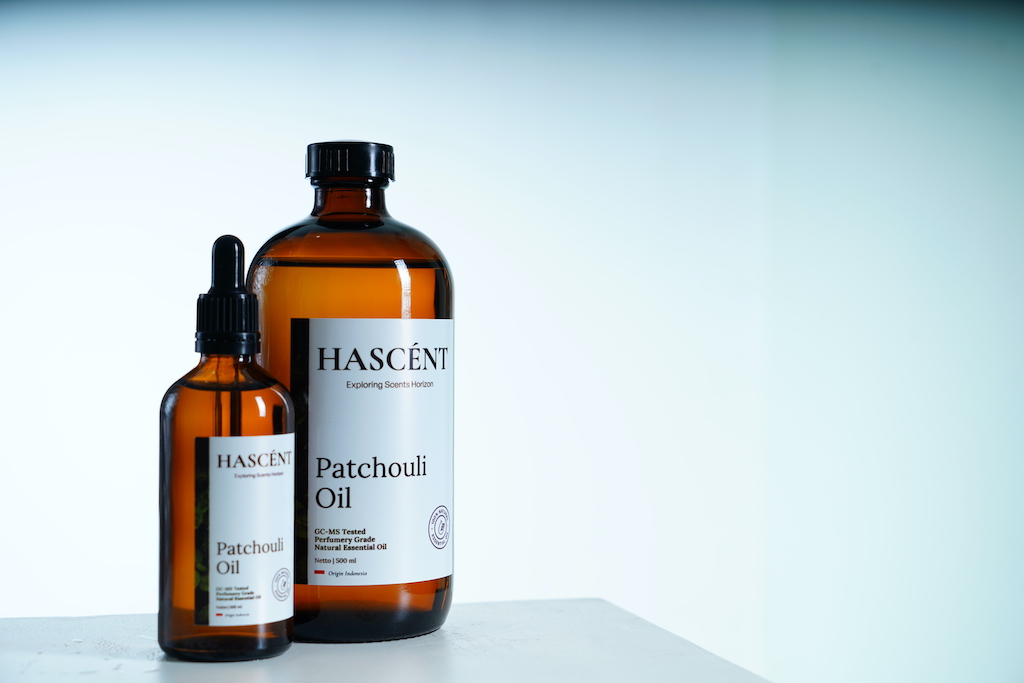
Hasgara International sources and exports premium-grade Indonesian patchouli oil to buyers in the fragrance, cosmetics, and essential oil industries across international markets. With direct sourcing connections in Indonesia’s principal patchouli-producing regions, Hasgara supplies oil to buyer specifications with consistent quality documentation — providing fragrance houses and cosmetic manufacturers with the supply reliability and product integrity that professional procurement requires.
To learn more about Hasgara International’s patchouli oil product specifications and export capabilities, visit the product page below.
View Patchouli Oil Product Page https://hasgara.sg/products/patchouli-oil/